 Oportunidad para Becas Internas CONICET 2016. El Laboratorio de Investigaciones en Fisiología Vegetal de la Facultad de Agronomía y Ciencias Agroalimentarias de la Universidad de Morón, en donde se llevan a cabo investigaciones en especies vegetales subutilizadas con especial énfasis en frutales, desea convocar a postulantes para el próximo llamado de Becas Internas CONICET 2016. Título de la beca: “Variabilidad fenotípica de Berberis microphylla G. Forst en poblaciones naturales de Tierra del Fuego, una especie frutal-forestal no maderable con posibilidad de diversificar la producción agropecuaria patagónica”. Lugar de trabajo: la beca tendrá como lugar de trabajo la Facultad de Agronomía y Ciencias Agroalimentarias de la Universidad de Morón, Buenos Aires. Lugar de muestreo: Ushuaia, Tierra del Fuego en los meses de Octubre, Noviembre y Febrero. Requisitos: estudiantes próximos a graduarse en Biología, Agronomía o carreras afines.Los interesados enviar CV a Silvia Radice y Miriam Arena
jueves, 31 de marzo de 2016
Beca: “Variabilidad fenotípica de Berberis microphylla G. Forst en poblaciones naturales de Tierra del Fuego, una especie frutal-forestal no maderable con posibilidad de diversificar la producción agropecuaria patagónica”.
Oportunidad para Becas Internas CONICET 2016. El Laboratorio de Investigaciones en Fisiología Vegetal de la Facultad de Agronomía y Ciencias Agroalimentarias de la Universidad de Morón, en donde se llevan a cabo investigaciones en especies vegetales subutilizadas con especial énfasis en frutales, desea convocar a postulantes para el próximo llamado de Becas Internas CONICET 2016. Título de la beca: “Variabilidad fenotípica de Berberis microphylla G. Forst en poblaciones naturales de Tierra del Fuego, una especie frutal-forestal no maderable con posibilidad de diversificar la producción agropecuaria patagónica”. Lugar de trabajo: la beca tendrá como lugar de trabajo la Facultad de Agronomía y Ciencias Agroalimentarias de la Universidad de Morón, Buenos Aires. Lugar de muestreo: Ushuaia, Tierra del Fuego en los meses de Octubre, Noviembre y Febrero. Requisitos: estudiantes próximos a graduarse en Biología, Agronomía o carreras afines.Los interesados enviar CV a Silvia Radice y Miriam Arena
Premio Nacional Juvenil del Agua 2016
Antecedentes:
Durante la Semana del Agua en Estocolmo, Suecia, el Stockholm International Water Institute organiza cada año un concurso dirigido hacia los jóvenes de distintos países, cuyo objetivo es seleccionar el mejor proyecto de investigación científica sobre manejo sustentable del agua, realizado de forma individual o en grupo. Con el objeto de seleccionar al representante de México para este concurso, diversas instituciones coordinadas por la Embajada de Suecia y la Academia Mexicana de Ciencias organizan, a su vez, el Premio Nacional Juvenil del Agua, con la finalidad de:
• Fomentar en los jóvenes la conciencia y el conocimiento sobre el valor y la situación del recurso agua.
• Estimular en los jóvenes el interés por la investigación para conservar el recurso.
• Promover la generación de futuros líderes del sector con un amplio conocimiento del tema.
• Promover el trabajo en equipo y el empleo de diversas disciplinas para desarrollar proyectos factibles y con alta calidad técnica
Bases
a) Participantes
• Estudiantes de cualquier estado de la República de 15 a 20 años de edad (al 31 de mayo de 2016) y que cursen en México secundaria, bachillerato o equivalente. Ningún participante deberá estar cursando estudios de licenciatura.
• Individual o por equipo con un máximo de tres integrantes.
• Es indispensable el manejo del idioma inglés para presentar su trabajo en el certamen internacional en caso de resultar ganadores.
b) Del tipo de proyectos
• Temas que busquen mejorar la calidad de vida por medio de la mejora en el manejo del recurso en cantidad o calidad.
• Solución de problemas a nivel local, regional o internacional.
• De tecnología, ciencias naturales, exactas, sociales, económicas o humanísticas.
• Los proyectos de revisión bibliográfica NO serán considerados.
c) De las características de proyectos
• Los proyectos deben ser desarrollados empleando el método científico, contener metodología clara y resultados comprobables.
• Contener: objetivo, descripción, metodología, resultados y análisis de los mismos, conclusiones, bibliografía y un resumen de 20 renglones.
• Extensión máxima de 15 páginas (un solo lado, Times New Roman o Arial 12 puntos y a doble espacio), incluyendo ilustraciones, gráficas, dibujos o fotografías. Las ilustraciones no deben ocupar más de cinco páginas del total. Se pueden incluir anexos.
• Opcional. En caso de tener grabaciones del desarrollo del proyecto, enviar un video de tres minutos máximo. También se aceptan fotos del prototipo a escala y material didáctico de apoyo incluidos en un anexo del trabajo.
d) Criterios de selección
Originalidad y habilidad creativa así como rigor científico y técnico. Se considerará además la coherencia en la presentación del trabajo y la existencia de resultados.
e) De los finalistas y el ganador del primer lugar
• Los finalistas que determine el Jurado serán entrevistados en inglés y deberán exponer su trabajo en inglés, para designar al ganador.
• El ganador (individual o por equipo) del primer lugar deberá presentar el texto de su proyecto en inglés así como elaborar un cartel de 96 X 200 cm en inglés y programar un periodo de entrenamiento con el Jurado, previo al certamen internacional.
f) Del Jurado
El Jurado estará conformado por especialistas en la materia nombrados por la Academia Mexicana de Ciencias y su fallo será inapelable.
PREMIOS
PRIMER LUGAR: 40,000.00 MN y el honor de representar a México en el Certamen Internacional durante el mes de agosto de 2016 en Estocolmo, Suecia
SEGUNDO LUGAR: 20,000.00 MN
TERCER LUGAR: 15,000.00 MN
• A los asesores de los estudiantes ganadores se les otorga constancia y sólo al asesor del primer lugar se le hará entrega de un estímulo económico de diez mil pesos MN.
• El equipo o participante ganador de primer lugar, irá a Suecia acompañado de un representante de la coordinación ejecutiva del certamen.
• El resultado se dará a conocer por medio de la página de la Academia Mexicana de Ciencias y los premios se entregarán en una ceremonia formal.
ENTREGA DE PROYECTOS
• El registro de los concursantes así como el envío de los trabajos se realizará vía electrónica a través la página de la Academia Mexicana de Ciencias (Registro) siguiendo el procedimiento ahí indicado. La fecha límite para el registro y envío de proyectos es el viernes 29 de abril de 2016. Después de esa fecha, el sistema no permitirá registros.
Mayores informes:
premioagua@amc.edu.mx
Academia Mexicana de Ciencias
Tels. 5849-49-05/5849-5109/5849 5180
Opportunity: Conservation Innovation Fellow, Conservation X Labs, DC

Conservation X Labs (http://www.conservationxlabs.com/) is searching for extraordinarily creative individuals who are interested in transforming conservation.
We have one opportunity for the summer, based in Washington DC, to work with us to harness open innovation, exponential technologies, and entrepreneurship to dramatically improve the efficacy, cost, speed, and scale of conservation efforts to end human induced extinction. Help us create a conservation technology community, manage the first grand challenge for conservation around aquaculture, support new technologies to address wicked conservation problems, and design new incubator/acceleration platforms for conservation innovation & technology.
Compensation:
Paid position, 40 hours per week
Paid position, 40 hours per week
Duties:
Conservation X labs is seeking an open innovation summer fellow with a passion for conservation & development, but also sourcing, developing, and implementing transformational solutions. The fellow will work on a variety of projects that requires expertise in the following:
- Conducting due diligence around new technologies and innovations for conservation, with a particular focus on oceans and food systems, understanding market potential, and assessing market readiness.
- Supporting the Blue Economy Challenge on rethinking solutions for Aquaculture, including organizing peer review panels, reviewing applications, setting up a pitch session, selecting innovations, supporting social media and communications around the award event, and organizing a multilateral prize event.
- Developing a catalogue of new technologies for transforming conservation, including identifying technologies from adjacent spaces that may be applied to conservation such as microbiology, synthetic biology, gene editing, sensors, 3D Printers, nanotechnology, nanosatellites, and drones.
- Contributing to the development of specific technologies through open source approaches, including engaging a diverse community of conservationists, engineers, technologists, marketing and finance experts.
- Organizing university events in partnership with leading environmental schools, and other institutions.
- Writing or editing science-based materials for multiple audiences and media, i.e. peer-reviewed articles, news stories, Linked-in articles, Tweets, and Facebook posts.
Minimum Qualifications:
- Bachelors degree in conservation biology, ecology, physics, biomedical, electrical or chemical engineering, design, business or related fields. OR at least three years of undergraduate education in these fields working towards a B.Sc. at an accredited university.
- Organized and demonstrated ability to manage multiple projects within a fast moving, and highly chaotic environment.
- Self-starter, with an ability to take initiatives and lead them without significant need for supervision and willingness to work in a nontraditional office environment.
- Passion for open innovation, advancing technology, social entrepreneurship, and the courage to take new approaches to really difficult solutions.
- We welcome experience in the following: searching and synthesizing scientific literature; maintaining a website (or the willingness to learn); basic coding and database management, communicating with partners from various backgrounds and disciplines; organizing logistics for local or global events; writing science- based material for multiple audiences and media; editing written documents; and, facilitating discussions via video conference or in-person.
Please send your resume, cover letter, plus the contact information for two references. We would love to see your ideas upfront: Propose an idea for a new technology, prize, or innovation that could transform conservation through an infographic or a paragraph. Email the materials toBarbara@conservationxlabs.org by April 30th. Indicate your ideal start date in May and end date in August. There may be opportunities to extend.
Jovenes por un Mexico productivo 2016.
Jovenes por un Mexico productivo 2016.
SEDESOL, DGOP y IMJUVE convocan a grupos conformados por tres o mas jovenes de 18 a 29 años de edad, con ingreso familiar limitado, que cuenten con una iniciativa productiva y esten interesados en desarrollar un proyecto con las tematicas de proyectos productivos (cultivos alternativos, cultivos basicos, produccion de forrajes, viveros, actividades pecuarias, entre otros).
Debera registrarse del 28 de marzo hasta el 22 de abril de 2016.
Convocatoria completa.
Communication and Outreach Senior Assistant- Oceans Program -La Paz, Mexico
Senior Assistant, Communication and Outreach
Communication and Outreach Senior Assistant- Oceans Program -La Paz, Mexico
With world attention focused on both the environment and the economy, Environmental Defense Fund (EDF) is where policymakers and business leaders turn for win-win solutions. This leading green group, with programs from Boston to Beijing, has tripled in size over the past decade by focusing on strong science, uncommon partnerships and market-based approaches. You can be part of a vibrant workplace that welcomes diverse perspectives, talents and contributions, where innovation and a focus on results are a way of life.
Oceans Program
The Oceans Program works to find constructive solutions to the most critical problems threatening the world's marine environments. At the national and regional levels, our team of scientists, attorneys and economists are tackling land-based sources of ocean pollution and working with fishermen to establish fair and sensible limits on their catch that will allow fisheries to recover. Our Oceans Program focuses on safeguarding marine ecosystems and fisheries in the North and South Atlantic, Gulf of Mexico, Pacific, Gulf of California and the Caribbean.
The Gulf of California Sustainable Fisheries Project
This project presents a plan developed in consultation with Mexican and US partners to apply catch shares in a select number of fisheries in the Gulf of California, build a pipeline of candidate fisheries for cultivation and future action, develop the human and institutional resources required for implementation, strengthen the legal and regulatory environment that makes change possible, and explore new ways to finance the costs of transition to sustainability.
Overall Function
EDF Mexico is seeking an Oceans Communications Senior Assistant who will support the Coordinator of Communications and Outreach on the execution of daily communication activities. This work will include supporting traditional and social media efforts, writing and editing outreach and communications materials and other tasks related to Mexico’s Oceans communications goals. Interested applicants should have communications, research and writing skills. Interest and experience in ocean and fishery management policy is preferred.
Key Responsibilities
Media and communications
Media monitoring, analysis of issues and trends in social media; assist in event planning and other events as needed, type newsletters, media contact.
Writing of press releases, memorandums and briefings for policy makers.
Social Networks
Community management or institutional web pages management a plus.
Research and update content for social networks.
Analysis of basic metrics.
Outreach
Design and update presentations.
Assist in the development of broadcasting materials: monitoring and review.
Supervision of audiovisual materials.
Editing and proofreading of graphic materials and documents.
Event Planning
Assist both La Paz and Mexico City teams in the logistics and organization of various events and forums.
Qualifications
Bachelor’s degree or equivalent experience in social sciences, marketing, communications, website design and development, or graphic design.
English language proficiency (intermediate written and oral).
Exceptional oral and written communication skills.
Excellent attention to detail and strong organization skills.
Able to juggle multiple projects at once and respond to changing priorities.
Ability to relate to different various groups of stakeholders including fishermen, politicians, professors, and other NGO).
Good research skills
Knowledge of fisheries and sustainable development, as well as oceans and fisheries management public policy, is highly desired.
Location
This position will initially be based in La Paz, BCS, Mexico, with the possibility of eventual placement in Mexico City, Mexico once office is established.
Term
Full-time (35 hrs/week)
Application Materials
Interested applicants who are eligible to work in Mexico should submit one page cover letter and resume.
Due to the volume of employment applications and queries received, EDF is unable to respond to each application individually. Applicants will be contacted directly if selected as a candidate.
Apply.
Wildlife Rehabilitation Manager- Hawaii
 The mission of the Hawai’i Wildlife Center (HWC), a nonprofit organization, is to protect, conserve, and aid in the recovery of Hawai‘i's native wildlife through hands–on treatment, research, training, science education and cultural programs. The HWC will provide for the best achievable medical and husbandry care for reported sick, injured and orphaned indigenous and endemic wildlife, including those affected by natural and man-made disasters, returning those successfully treated back to the wild. Our wildlife service area extends more than 1,000 nautical miles, up to and including the Papahnaumokukea Marine National Monument, which covers roughly 140,000 square miles of islets, reefs and waters, an area larger than all of America’s National Parks combined.
The Wildlife Rehabilitation Manager is responsible to efficiently develop and manage animal care operations at HWC and maintain the highest quality of care possible. The HWC hospital specializes in the care of over 70 different species and subspecies of native birds and the Hawaiian hoary bat. This is an excellent opportunity to work for a brand new and exciting one of a kind wildlife conservation, response and rehabilitation organization in the Pacific islands region. You will be able to play an important role in the preservation of Hawai’i’s native wildlife, its natural richness and cultural heritage.
The Rehabilitation Manager reports directly to the Center Director. Candidates must able to handle individual animals in a caring, safe and humane manner. Work maturely and respectfully with diverse groups of people and maintain high quality customer/public relations. Be skilled at conflict management to support the office administration staff with challenging phone calls or walk-in customers as needed. Communicate clearly about HWC’s mission, the care and treatment of animals, and the safety of the public and other employees. And represent HWC professionally at all times. Candidates should possess the ability to act decisively regarding constantly changing animal cases and situations for which there may be no existing protocols. Work quickly, efficiently and calmly under stressful conditions and be able to handle multiple responsibilities. Keen interest in wildlife conservation issues is a must. Leadership, management skills and a team player mentality are vital in working cooperatively with HWC’s small staff. Exceptional verbal and written communication skills are essential. An understanding of Hawai‘i and its people is preferred. Candidates must be willing and able to travel Statewide and nationally on occasion.
SPECIFIC DUTIES INCLUDE BUT NOT LIMITED TO:
•Train and supervise animal care staff to set and maintain high quality of care standards, develop and refine species protocols and oversee rehabilitation treatment plans including, but not limited to, nutritional aspects (diets and formulas fed), pre-release conditioning, housing, release preparation, etc.
•Assists animal care staff with day-to-day care of animals. Oversee and move animals through the rehabilitation process in a timely manner, and ensure that animal care needs are being met.
•Work closely with the wildlife veterinary team to carry out care plans and determine final disposition of animals undergoing veterinary care. Provides medical team with assistance as needed.
•Work with animal care staff to determine final disposition of wild patients, to evaluate and ensure timely and appropriate release of all wildlife patients.
•Keep Center Director apprised of animal intake, in-house patients and their status, animal care needs, quality of animal care, patient procedures and programmatic needs.
•Ensure that animals are being handled in a manner that maximizes human and animal safety and that staff are trained and following safety procedures.
•Monitor and identify enclosure and facility construction and maintenance needs, and assist in planning future wildlife rehabilitation operations.
•Ensure that protocols for infection control are being followed by animal care staff.
•Maintain inventory and oversee the purchasing of animal diets and rehabilitation supplies within budget guidelines.
•Directly supervise the scheduling, daily activities and performance of wildlife rehabilitators, interns and volunteers.
•Maintain open lines of communication, including routine wildlife staff meetings.
•Develop, implement, and coordinate rehabilitation staff training program. Work with Volunteer Manager to develop, implement and coordinate volunteer and intern training programs.
•Remain current and assist in keeping staff current on rehabilitation methods and captive care of wildlife through literature review, attending courses and conferences, meetings and workshops, presenting papers for publication, and networking with the rehabilitation community.
•Oversee smooth and accurate operation of wildlife database and compile and analyze animal intake statistics for various reporting needs.
•Oversee animal care health records and documentation of daily animal care.
•Assist Center Director in the development of annual state and federal wildlife reports together with the administration staff.
•Assist Center Director and other members of the wildlife management team with written policies and procedures as needed.
•Develop and implement rehabilitation research as needed.
Compensation: SALARY: Commensurate with experience.
Duration: Open
Qualifications: •Must have a baccalaureate degree from an accredited university, or equivalent experience.
•Must have a minimum of two years experience working full time in a wildlife rehabilitation center or equivalent animal care facility with at least one year of supervisory experience. Must have experience working with a wide variety of wild birds. Must have considerable knowledge of wildlife rehabilitation.
•Must be able to make euthanasia decisions and perform euthanasia procedures.
•Must be willing and able to work daily with wild animals and have a good understanding of natural history and wild animal behavior.
•Must have knowledge and experience in wildlife medicine equivalent to a veterinary technician level (be able to take radiographs, perform lab work, physical exams, take blood, give intravenous and subcutaneous fluids, initiate treatment, calculate doses and administer drugs, perform anesthesia and assist in surgery). Candidates with a registered veterinary technician or relevant medical background preferred.
•Must be capable of achieving a masters banding permit.
•Must have or be able to obtain a valid Hawaii Drivers License with no record of major or repeated minor traffic offenses.
•Must be able to lift a minimum of 25 pounds of weight
•Must be legally entitled to work in the United States of America
To Apply: Please email cover letter, resume, and three references to info@hawaiiwildlifecenter.org
Website: http://www.hawaiiwildlifecenter.org/
Becas en España para investigaciones oncologicas.
The Spanish National Cancer Research Centre (CNIO) announces up to 8 vacancies for undergraduate students to work in a lab at the CNIO over the summer.

The programme runs from June 27 to August 19, 2016, and is open to undergraduate students of any nationality who have passed at least 2/3 of the total credit points (courses or exams) required for a Life Sciences or Biomedicine-related undergraduate degree (e.g. Biology, Biomedicine, Biochemistry, Pharmacology, Bioinformatics).
Travel expenses and meals at the CNIO cafeteria will be covered for summer training programme students during their stay at the centre. In addition, students without public health assistance benefits in Spain will be covered with a private health insurance provided by the CNIO for the same period of time (8 weeks).
Each student will be matched with a specific laboratory based on the student’s interest and background. The student will be working under the supervision of the group/unit leader or a member of the research group. The participants will attend a series of seminars given by faculty members and researchers from the CNIO. Students will be required to present the results of their summer projects at the end of the programme.
Fellowships will be awarded on a competitive basis taking into consideration the student’s academic record and letter of motivation.
Deadline for applications: April 24, 2016.
Estancia Posdoctoral. Produccion de biohidrogeno por fermentacion oscura y su optimizacion.
Se solicitan Interesados en realizar una estancia Postdoctoral (Convocatoria SEP-CONACYT 2016) en el Laboratorio de Biotecnología y Bioingeniería Molecular del Instituto Potosino de Investigación Científica y Tecnológica (IPICYT, SLP), para incorporarse al Proyecto de: "PRODUCCION DE BIOHIDROGENO POR FERMENTACION OSCURA Y SU OPTIMIZACION". La estancia Postdoctoral es por un año, comenzando en Agosto del 2016, con posibilidad de renovación por un segundo año. Es deseable la experiencia en Biología Molecular, Fermentaciones e Ingeniería de Biorreactores, así como cumplir con los requisitos de la Convocatoria SEP-CONACYT 2016 Interesados enviar CV y carta de presentación a: Dr Antonio de León Rodríguez o al Dr Víctor Balderas PICYT
Life Net Reserve Manager Position: Las Tangaras Nature Reserve, Mindo, Ecuador
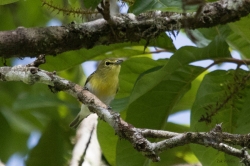
Life Net seeks a capable couple with backgrounds in wildlife management, property management, ecotourism, conservation biology, or related fields to steward and live at Reserva Las Tangaras, a private cloud-forest protected natural area in western Ecuador. Dates are somewhat flexible, but must overlap with out-going stewards by at least two days. At a minimum, applicants need capacity in Spanish communication skills at an intermediate level. An 88-day commitment at the reserve is typical due to visa of 90 days. Longer service is an option, but stewards must to obtain appropriate visas on their own. The next openings are apx: June 25, 2016, September 23, 2016, and January 5, 2017.
Applicants with skills in leadership, nature interpretation, and avian field biology are prefered, along with being handy at carpentry, home repairs, and applied natural area stewardship skills. Managers maintain trails, signs, make repairs and maintain the reserve cabin and its water system, sustain small organic gardens and agroforestry efforts, and further what previous managers have done including conservation research, ecotourism promotion and services, and outreach to the local community.
Las Tangaras is a 49-hectare natural area purchased to provide habitat for native plants and animals, protecting them from illegal hunting and collecting. As a buffer property on the edge of the Mindo-Namibillo Bosque Protector, Reserva Las Tangaras provides additional habitat for wildlife at elevations typically deforested for agriculture, or now, for poorly regulated and designed “adventure” tourism.
At Las Tangaras we encourage light levels of visitation by bird-watchers, nature enthusiasts, photographers, and conservation biology researchers/students. Contributions from visitors partially sustain the reserve. Managers must be capable with:
1. Hosting nature-oriented guests and visitors
2. Hosting volunteer programs and student trainings related to nature reserve stewardship
3. Maintaining all trails on the reserve and entrance bridge
4. Improving trail(s) and signage from Nambillo Road to Las Tangaras (with local landowner's permission).
5. Sustaining gardens and orchards, including and doing tree planting to attract birds and for human use.
6. Writing monthly & final reports, basic financial accounting, updating and recording data
7. Managing and contributing to a blog, completing Excel data sheets, and doing emails regularly
The reserve is an incredible place to live, and research and photographic opportunities abound. Life Net monitors and researches bird communities, and stewards and visiting scientists and students continue to describe plants, insects, hummingbird community dynamics, avian community structure in different forest types, and avian indicator species in mature tropical montane forest.
Duties include, reserve improvements and stewardship, care of trails, marking of trails, water system upkeep, septic system upkeep, managing transport of gas tanks to reserve, maintenance of a large cabin, care and use of reserve tools, equipment, research materials, and inventory and upkeep of a small library. Options exist to develop visitation and earn additional income providing services to visitors. Qualifications include ability to communicate well in Spanish, one person with a university degree in a topic related to the position, related experiences with wilderness biology field work in the tropics, interests in research and nature interpretation, experience with guiding nature or birding tours, simple bio-regional living experiences, wilderness, leave no trace camping ethics, carpentry, plumbing, and building skills, financial management experience, business sense, etc.
Next position openings for this search are late June 2016, late September 2016, and early January 2017.
In one PDF, Send joint cover letter expressing interest and qualifications, resumes (CVs), and 3 easily contactable references for each of you to Dr. Dusti Becker at dbecker@lifenetnature.org.
Salary: $300/month stipend
Start Date: 06/25/2016
Qualifications: Life Net Reserve Manager Position: Las Tangaras Nature Reserve, Mindo, Ecuador
Life Net seeks a capable couple with backgrounds in wildlife management, property management, ecotourism, conservation biology, or related fields to steward and live at Reserva Las Tangaras, a private cloud-forest protected natural area in western Ecuador. Dates are somewhat flexible, but must overlap with out-going stewards by at least two days. At a minimum, applicants need capcity in Spanish communication skills at an intermediate level. An 88-day commitment at the reserve is typical due to visa of 90 days. Longer service is an option, but stewards must to obtain appropriate visas on their own. The next openings are apx: June 25, 2016, September 23, 2016, and January 5, 2017.
Applicants with skills in leadership, nature interpretation, and avian field biology are prefered, along with being handy at carpentry, home repairs, and applied natural area stewardship skills. Managers maintain trails, signs, make repairs and maintain the reserve cabin and its water system, sustain small organic gardens and agroforestry efforts, and further what previous managers have done including conservation research, ecotourism promotion and services, and outreach to the local community.
Managers must be capable with:
1. Hosting nature-oriented guests and visitors
2. Hosting volunteer programs and student trainings related to nature reserve stewardship
3. Maintaining all trails on the reserve and entrance bridge
4. Improving trail(s) and signage from Nambillo Road to Las Tangaras (with local landowner's permission).
5. Sustaining gardens and orchards, including and doing tree planting to attract birds and for human use.
6. Writing monthly & final reports, basic financial accounting, updating and recording data
7. Managing and contributing to a blog, completing Excel data sheets, and doing emails regularly.
Duties include, reserve improvements and stewardship, care of trails, marking of trails, water system upkeep, septic system upkeep, managing transport of gas tanks to reserve, maintenance of a large cabin, care and use of reserve tools, equipment, research materials, and inventory and upkeep of a small library. Options exist to develop visitation and earn additional income providing services to visitors. Qualifications include ability to communicate well in Spanish, one person with a university degree in a topic related to the position, related experiences with wilderness biology field work in the tropics, interests in research and nature interpretation, experience with guiding nature or birding tours, simple bio-regional living experiences, wilderness, leave no trace camping ethics, carpentry, plumbing, and building skills, financial management experience, business sense, etc.
Next position openings for this search are late June 2016, late September 2016, and early January 2017.
In one PDF, Send joint cover letter expressing interest and qualifications, resumes (CVs), and 3 easily contactable references for each of you to Dr. Dusti Becker.
Website.
Oportunidad para Beca de Doctorado de CONICET en el marco del proyecto “Consecuencias de la pérdida de especies nativas y la adición de especies exóticas sobre una interacción planta-planta”
Oportunidad para Beca de Doctorado de CONICET en el marco del proyecto “Consecuencias de la pérdida de especies nativas y la adición de especies exóticas sobre una interacción planta-planta”. El objetivo general del proyecto es estudiar la dinámica poblacional del muérdago, Tristerix corymbosus, y de su hospedador mas común en el bosque templado de Patagonia, el arbusto Aristotelia chilensis, en sitios intactos e invadidos por ungulados exóticos. El postulante deberá cumplir con los requisitos estipulados por CONICET. Lugar de Trabajo: Grupo de Ecología de Invasiones, INIBIOMA - CONICET, Universidad Nacional del Comahue, Bariloche, Rio Negro - Argentina.Interesados enviar por email a los Dr. Mariano A. Rodriguez-Cabal y Dr. Yamila Sasal: CV, Carta de interés explicando motivaciones y experiencias previas relevantes y Datos de contacto de dos personas que puedan proveer referencias sobre el postulante.


Oportunidad para beca inicial de doctorado en el marco de proyecto PICT 2013-2176: Granivoría en ambientes áridos pastoreados: conocimiento local para predecir respuestas regionales. Argentina.
Oportunidad para beca inicial de doctorado en el marco de proyecto PICT 2013-2176: Granivoría en ambientes áridos pastoreados: conocimiento local para predecir respuestas regionales. Investigador responsable: Javier López de Casenave. El proyecto incluye estudios sobre la relación semillas-granívoros en general, y evaluaciones de las características conductuales de las hormigas en particular (por ejemplo, flexibilidad alimentaria, distancias y tiempos de forrajeo, estrategias de forrajeo), mediante aproximaciones observacionales y experimentales. El objetivo del proyecto general es profundizar el conocimiento sobre la ecología de animales granívoros para explicar y predecir su capacidad de persistir en ambientes perturbados. Los estudios tienen como objetivo analizar y comprender posibles respuestas poblacionales de granívoros a la degradación del hábitat, un componente esencial del cambio global. Requisitos: Ser licenciado en Biología o carreras afines. Demostrar alta motivación por la investigación científica y el trabajo de campo y de laboratorio. Contar con licencia de conducir. La experiencia acreditada en trabajo de campo o laboratorio con animales, preferentemente insectos, será un antecedente especialmente valorado. Muy buen manejo y comprensión del idioma ingles. Cierre del concurso: 9/4/16. Inicio de la beca: 1/5/16. Lugar: Mendoza. Estipendio mensual: $14714. Enviar CV y teléfonos para contactar.
Plazas docentes en UABC.
La facultad de ciencias marinas esta en proceso de renovacion de su planta docente debido a jubilaciones por lo que convoca a los jovenes profesores investigadores que quieran hacer carrera en la UABC a participar en el proceso de seleccion para ocupar seis plazas en sustitucion.
A mas tardar 31 de mayo de 2016.
Paleontologia, Geologia y georecursos, microbiologia marina, farmacologia, productividad primaria y biotecnologia integral.


Plaza Técnico Académico en el INB, UNAM-Juriquilla.
Plaza Técnico Académico en el INB, UNAM-Juriquilla. Se invita a Candidatos a presentar solicitudes para ocupar una plaza de Técnico Académico Titular área para supervisar y apoyar labores de investigación en las unidades de servicio del Instituto de Neurobiología. El candidato seleccionado deberá colaborar en el manteniendo los equipos científicos y la infraestructura física incluyendo las instalaciones hidráulicas, eléctricas, airea condicionado, etc. Debe contar con conocimiento en cálculo de consumo de energía, amperajes y voltajes. Interpretar guías mecánicas de equipos de alta tecnología y aplicaciones particulares a las neurociencias. Proponer nuevas estrategias sustentables en consumo y ahorro de agua, energía eléctrica, reciclaje, etc. La edad máxima al 1 de agosto del 2016 debe ser 36 años en hombres y 39 años en mujeres. Nivel de estudios mínimo de Licenciatura, conocimiento de inglés del 80% y manejo de Word, Excel, Power Point, Autocad, etc. Además, ocupará parte de su tiempo en labores administrativas como obtención de cotizaciones, compras de reactivos y materiales y en apoyo logístico para el funcionamiento de las diferentes unidades. Interesados enviar curriculum vitae y carta de intención a la Dra. Carmen Aceves Velasco (caracev@unam.mx), Secretaria Académica del INB a más tardar el 30 de abril del 2016. El Instituto de Neurobiología UNAM esta situado en el Campus Juriquilla de la Universidad Nacional Autónoma de México(www.inb.unam.mx) en Querétaro, México. Blvd. Juriquilla 3001 Juriquilla, Querétaro. CP. 76230 Tel. (442) 238-1002
Regional Technical Specialist for Climate Change Mitigation and Energy- Panama
 The Bureau for Policy and Programme Support (BPPS) has corporate responsibility for developing all relevant policy and guidance to support the results of UNDP’s Strategic Plan. BPPS’ staff provides technical advice to Country Offices, advocates UNDP corporate messages, represents UNDP at multi-stakeholder fora including public-private dialogues, government and civil society dialogue initiatives, South-South and Triangular cooperation initiatives and engages in UN inter-agency coordination in specific thematic areas.
The Cluster on Sustainable Development focuses on integrating UNDP’s economic, social and environmental work into a coherent sustainable development policy and programming framework. It seeks to provide an integrated package of services covering all strands of sustainable development, including on integrated development planning and inclusive and sustainable growth, sustainable livelihoods and economic recovery in post crisis situations and natural capital and the environment.
Education:
Master’s Degree (or higher) in Engineering, Environmental Economics, Finance or Environmental Sciences or other closely related field with main focus on energy management, energy systems, renewable energy, sustainable transport, civil engineering and/or climate change mitigation, including ecosystem based mitigation (LULUCF).
Experience:
Minimum of 7 years’ experience working with developing countries on one or more of the following: energy management, energy systems operations, in the residential, industrial, commercial and transport sectors, as well as in energy-integrated urban development planning and applications, the design and implementation of RE-based energy systems both for thermal and power generation and applications, carbon finance, urban transport, and/or ecosystem-based climate change mitigation;
Experience with project development, implementation and management (direct project management experience is preferable);
Experience in the policy development processes in sustainable energy management, climate change mitigation and sustainable development;
Demonstrated technical and intellectual skills in substantive area;
Demonstrated ability to develop and maintain strategic partnerships;
Demonstrated facilitation and coordination skills;
Full computer literacy;
Experience working in Latin America and the Caribbean would be an asset;
Working experience in an international organization is an advantage as is knowledge of UNDP policies, procedures and practices.
Language Requirements:
Excellent knowledge of the English language, with exceptional writing, presentation and communication skills;
Working knowledge of Spanish;
Proficiency in other UN languages is an asset, as well as, in Portuguese.
Enlace.

Field/laboratory assistant for a Hand-rearing project in plain wrens at La Selva Biological Station, Costa Rica.
Volunteer:
Field/laboratory assistant for a Hand-rearing project in plain wrens at La Selva Biological Station, Costa Rica.
May 15ht~July15th
Work would include:
Caring for the birds daily
Mistnetting birds
Recording birds in the field and in the lab
I could cover airfare (up to $500.00). Lodging ($30 per night, meals included) not included.
more information:
Karla Rivera Caceres
PhD candidate
University of Miami


Se busca a una persona con animo y capacidad de enfrentar aspectos morfologicos de los roedores sigmodontinos.
Se ofrece una beca doctoral por 3 años (inicio efectivo al 1/5/16, sueldo $17221) con lugar de trabajo en Puerto Madryn en el contexto de un PICT de Agencia (actualmente en curso). Investigador responsable: Ulises Pardiñas. Se busca a una persona con animo y capacidad de enfrentar aspectos morfologicos de los roedores sigmodontinos (Cricetidae, Sigmodontinae) tanto vivientes como extintos. Cierre del concurso: 9/4/16. Aquellos interesados por favor contactarse para recibir mas detalles.
Reserves Ecologist, Edinburg

Reserves Ecologist
Reference number: A7890316
Location: Edinburgh
We require an experienced ecologist to join RSPB Scotland's Reserves Ecology team. You will have responsibility for the provision of ecological advice to reserves teams managing a number of reserves in part of RSPBs South West Scotland Region (Argyll Islands, Dumfries & Galloway and the Firth of Forth) and occasionally to head office staff. You will take an active role in drafting management plans, setting ecological objectives and targets and assessing performance against RSPB objectives. You will work across a wide range of habitats including machair, sand dunes, fens, coastal wetlands, coastal grazing marsh, saltmarsh, lochs, seabird islands and cliffs. You will advise on the management requirements of the RSPB priority species, particularly birds, which use these habitats.
We will be conducting a rolling programme of short-listing and interviewing and reserve the right to close this vacancy early, therefore we recommend you apply as soon as possible in order to ensure you do not miss the opportunity. Previous applicants need not apply. Salary
£18,000 - £25,000 per annum Hours & contract information
Hours: Part time, 22.5 per week
Contract: Maternity Cover
Closing date: 29 April 2016 How to apply
You can find more information about the role in the downloads below. Please make sure you include reference number A7890316 on any correspondence.
Role Profile (Word 188Kb, requires Microsoft Word)
Application details (Word 27Kb, requires Microsoft Word)
For questions about this post
Jeff Waddell
jeff.waddell@rspb.org.uk
01313174132
Send application details to
Jacquie Christie
jacquie.christie@rspb.org.uk
RSPB Scotland, Scotland Headquarters, 2 Lochside View, Edinburgh Park, Edinburgh, EH12 9DH, 0131 317 4181
Enlace.
Educador ambiental en Sonora.
¿Te gustaría formar parte del equipo Naturalia y vives en Sonora?
Buscamos un profesional de Biología, Ecología, Psicología o áreas afines que tenga interés en trabajar en el sector no gubernamental y con expectativas de desarrollo y crecimiento. La plaza es de Educador ambiental.
Descarga la convocatoria aquí https://goo.gl/ny29lHSi cubres el perfil, envía tu carta de intención y tu C.V. a conservacion@naturalia.org
MSc/PhD Scholarships, Northeast Forestry University, China. Ecology and conservation of Amur tiger/leopard and their prey; Conflicts between large carnivores and human beings.
Northeast Forestry University (NEFU) is currently offering funded places for international students wishing to study in China, under the Chinese Government Scholarship Scheme. Founded in 1952, NEFU, located in the city of Harbin, is presently a multidisciplinary university with forestry as its leading field and offers a unique specialization in forestry engineering. It specializes in forestry-related aspects of agriculture, science, engineering, economy, management, liberal arts and law. Scholarships (both full and partial) are available for suitable candidates who wish to study for an MSc/PhD degree in the College of Wildlife Resources, NEFU from September 2016. A full scholarship will provide:
University fees (tuition, laboratory and learning materials)
On-campus accommodation
Stipendiary living allowance (MSc: 3,000 RMB, PhD: 3,500 RMB per month)
One-off settlement costs for relocation to China
Comprehensive medical health insurance
In addition to tuition fees and subsistence, the scholarship will also cover expenses for an intensive Chinese language course during the first year. Please note that international traveling expenses are not included. Partial scholarship may include any combinations of elements from the full scholarship, where appropriate.
Students to be successfully recruited will join research group from the Feline Research Center of State Forestry Administration (SFA-FRC) in China, which is now based in College of Wildlife Resources, NEFU. SFA-FRC was founded in December 2011, developed from the previous Feline Research Center, NEFU. It aims to provide an international exchange center for the technology and information exchange in feline conservation research in China. Its major research fields ranges from biological and genetic study of feline (Amur tiger and leopard in particular) and its prey to the re-wilding and releasing technology of large felines.
MSc/PhD study possibilities in the NEFU will ideally focus on the following two aspects: Ecology and conservation of Amur tiger/leopard and their prey; Conflicts between large carnivores and human beings.
Details about Northeast Forestry University can be found on the website: http://en.nefu.edu.cn
Details about Feline Research Center of State Forestry Administration can be found on the website: http://www.tx2.org.cn/English
Full details of China Scholarship Council application procedures are available online: http://en.csc.edu.cn/Laihua/.
Online submission deadline: 15th April, 2016 (Friday).
Informal enquiries in the first instance may be submitted to Dr Shi Kun (Visiting Professor, kunshi11@aliyun.com) and Chen Ying (Research Assistant, chying0621@sina.com). Please send your curriculum vitae to Dr Shi Kun if you are interested to apply. Students who pass the first round of screening will be given more details to start online application.
Oportunidad para beca inicial de doctorado: Estudios taxonómicos multidisciplinarios en peces
Oportunidad para beca inicial de doctorado en el marco de proyecto PICT 2014-0665: Estudios taxonómicos multidisciplinarios en peces: sinergismo de metodologías morfológicas, morfométricas, moleculares, y reprod. El objetivo general del proyecto es responder a problemáticas en la identificación de de las especies del género Paralichthys Girard, 1858 utilizando como eje integrador diferentes herramientas taxonómicas y biológicas que contribuyan a dilucidar entidades específicas que a través de los métodos de identificación tradicionales no pueden ser resueltas. Se busca utilizar herramientas complementarias a la taxonomía tradicional (características merísticas, morfométricas, anatómicas, moleculares) para la identificación y descripción de nuevas especies, responder a problemas taxonómicos que a través de los métodos tradicionales no pueden ser aclarados, contribuir a la conservación de las especies mediante la identificación certera del recurso en cuestión y aportar información para la discusión de relaciones filogenéticas e historias de vida. Requisitos: Licenciado en Ciencias Biológicas o disciplinas afines. Formación básica en Ictiología o Biología de Peces, análisis multivariado y manejo del idioma Inglés. Licencia Nacional de conducir. Disposición para trabajar en equipo y realizar campañas. Estipendio mensual: $12118. Lugar: Mar del Plata. Cierre del concurso: 9/4/16. Investigador responsable: Juan Martín de Astarloa. Enviar CV y teléfono.
Premio al merito Ecologico 2016

El Premio al Mérito Ecológico es un reconocimiento nacional que el Gobierno de la República entrega anualmente desde 1993 a mujeres, hombres, instituciones y organizaciones públicas y privadas, quienes con compromiso y entrega han realizado programas, proyectos y/o acciones ambientales trascendentes que contribuyen al tránsito de nuestro país hacia el desarrollo sustentable.
Dichos programas, proyectos y acciones han favorecido signi cativamente el cuidado y la protección del medio ambiente, al tiempo que han impulsado un crecimiento verde incluyente, basado en la equidad de género, la no discriminación, el uso de tecnologías sustentables, el incremento de la productividad y la creación de más y mejores fuentes de empleo en bene cio de diversos grupos sociales. Así, este Premio ha cobrado cada vez más relevancia y estimulado una mayor participación de amplios sectores de la sociedad, que día a día trabajan arduamente por un México sustentable.
En diciembre de 2016 México será la sede de la Conferencia de las Partes (COP13) del Convenio sobre la Diversidad Biológica, en la que delegados de 196 países, investigadores, cientí cos, autoridades locales y representantes de la sociedad en general alcanzarán acuerdos en relación con la integración de la biodiversidad para el bienestar.
Consulta la convocatoria en el siguiente enlace:
Convocatoria para el Premio al Mérito Ecológico 2016.
Pasantías profesionales Australia

La Universidad de Queensland en Australia ofrece pasantías profesionales y se le da la oportunidad al estudiante de continuar los estudios universitarios en dicha universidad.
Dirigida a:
latinoamericanos que posean un buen registro académico, interesados en realizar una práctica en Brisbane.
Las pasantías se realizan en una prestigiosa compañía, con el fin de que el estudiante adquiera experiencia, genere relaciones profesionales y ponga en práctica todos los conocimientos adquiridos en sus estudios universitarios.
Asimismo, el estudiante conoce el manejo y desarrollo del mundo corporativo a nivel internacional.
Éstas tienen una duración de 12 semanas como mínimo.
Importante que los interesados envíen toda la información requerida para ser estudiada y se le notificará en caso de ser seleccionado.
Enlace
Diplomado "Ordenamiento ecológico del territorio e impacto ambiental"
El Centro de Estudios Jurídicos y Ambientales, A.C. (CEJA), y Universidad Nacional Autónoma de México (UNAM) los invitan al diplomado "Ordenamiento ecológico del territorio e impacto ambiental", a partir del 08 de abril del 2016 (120 horas), en la Facultad de Ciencias de la UNAM (Ave. 3000, Circuito Exterior s/n, Delegación Coyoacán, Ciudad Universitaria) de Ciudad de México.

Doctorado en Bioanalítica en Francia

Se solicitan alumnos para realizar un doctorado en Bioanalítica en Francia. El proyecto propuesto por el Dr Herve Cottet, de la Universidad de Montpellier, se relaciona con el desarrollo de nanomateriales hidrofóbicos para cubrir capilares para electroforesis. Como parte de una colaboración con nuestro grupo, se estudiará la aplicación de estos capilares en el análisis de biomoléculas. El proyecto es interdisciplinario. los estudiantes aplicarán a través de la convocatoria BECAS CONACYT-GOBIERNO FRANCES 2016, pueden obtener más información en la siguiente liga: http://www.mexique.campusfrance.org/node/290613 Los interesados pueden contactar a Gloria Saab RIncón para mayor información a la cuenta gsaab@ibt.unam.mx, Investigador Titular, Jefe del Departamento de Ingeniería Celular y Biocatálisis "Instituto de Biotecnología, U.N.A.M." Av. Universidad 2001, Col. Chamilpa, Cuernavaca, Mor. 62210 Of: +52 (777) 329-1640. De la Cd. de México: 56-22-76-40 y 56-22-76-05, Lab: +52 (777) 329-1605. Fax: +52 (777) 317-2388
Suscribirse a:
Entradas (Atom)